 مركز الصقارين
Falconry and the law: what the laws of Uzbekistan say
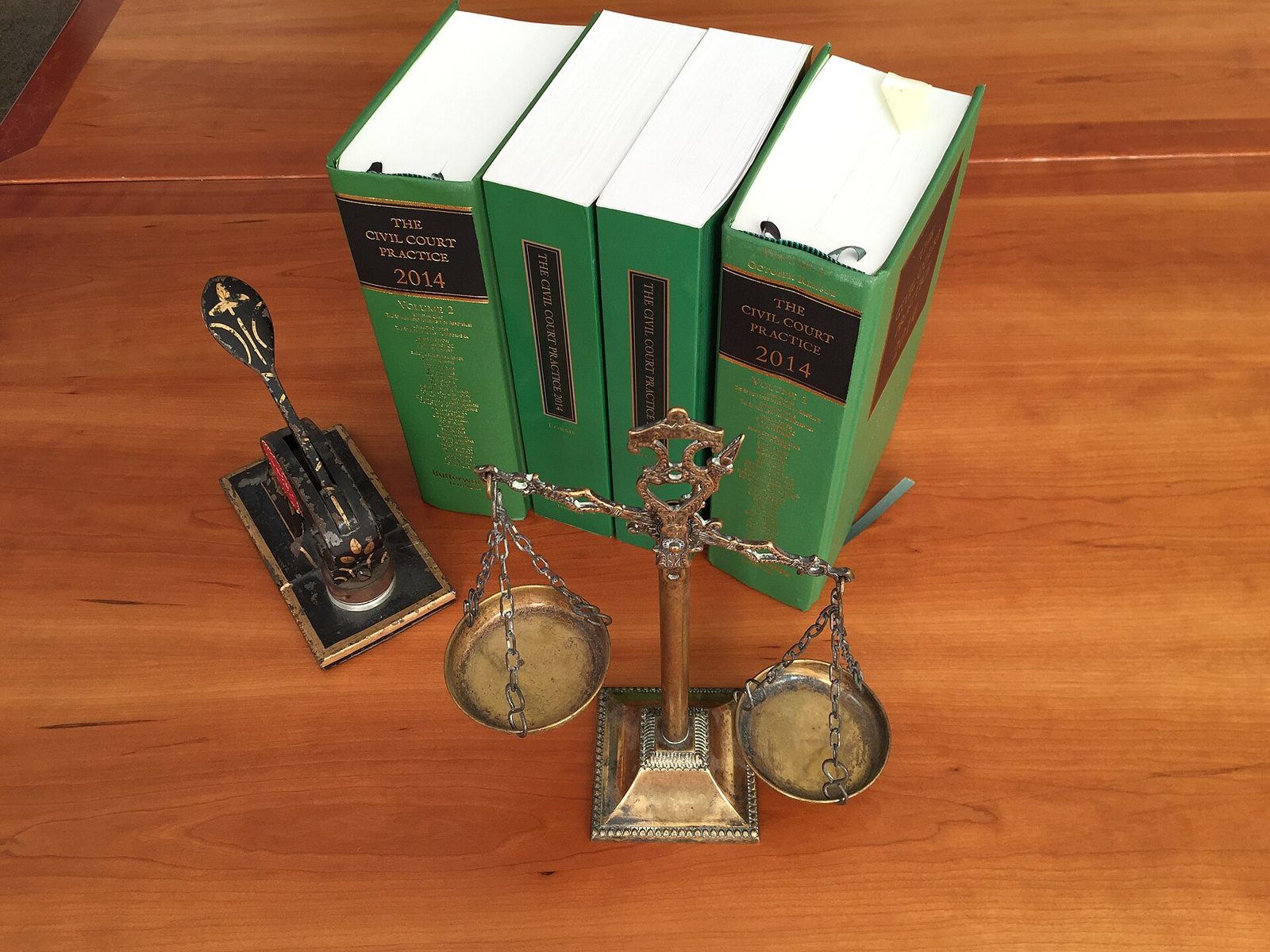
These are the provisions that directly concern a falconer. It is a summary, not legal advice: check the current text on lex.uz before acting. Note: the Law on Hunting and Hunting Management was amended by Law No. ZRU-1172 of 9 September 2026; at the time of publication its Russian translation on lex.uz is in preparation, and the official text is in Uzbek.
Who issues permits. The laws assign the powers to the Ministry of Ecology, Environmental Protection and Climate Change; today this is handled by the National Committee of the Republic of Uzbekistan on Ecology and Climate Change.
Hunting with a bird is hunting. The Law on the Protection and Use of Wildlife (Art. 32) treats being in hunting grounds with hunting birds as hunting. Hunting is allowed only at the times and places stated in the permit (Art. 33). Being with hunting birds in grounds closed to hunting and in protected natural areas is prohibited.
Hunting licence and permit. Under the Law on Hunting and Hunting Management, hunting may involve hunting dogs and "other hunting animals and birds", if registered accordingly in the hunting licence (Art. 21). The licence is issued by public hunters' associations to legally capable persons aged 18 or over who have passed the hunting-minimum test (Art. 28). Permits to take wild animals are issued by the territorial ecology bodies within quotas, after payment; when it expires, the permit is returned with a report within ten days (Art. 29).
Poaching. Illegal hunting includes, among other things: hunting without a licence, permit or voucher; in prohibited places and seasons or of prohibited species; destroying nests and other actions that hinder breeding (Art. 27).
Training a bird. Animals raised in breeding centres (third and later generations, including Red Book species) may be used to train hunting birds of prey under a permit to take animals, with prior notice of the number and species, the place and dates of training and the numbers of rings, microchips and other identification marks (note to Annex 1 of the law).
Keeping in captivity. For breeding, display, commercial or research purposes — with a permit; Red Book species — only in special breeding centres agreed with the Academy of Sciences. Releasing a captive bird into the wild without permission is prohibited (Art. 43).
Import and export. Wild animals, their parts and products may be brought in or taken out only under permits issued in the procedure set by the Cabinet of Ministers; anything stopped while being moved illegally is confiscated (Art. 20). Species listed by CITES are covered by a separate regulation (see "CITES in plain words").
Liability. Article 202 of the Criminal Code punishes violations of the rules on using wildlife that cause significant damage; where the offence involves destroying Red Book species, the penalty is a fine of 400–600 base units, restriction of liberty for 3–5 years or imprisonment for 3–7 years.
Sources: Law on the Protection and Use of Wildlife — lex.uz · Law on Hunting and Hunting Management No. ZRU-627 — lex.uz · Criminal Code, Art. 202 — lex.uz · National Committee on Ecology and Climate Change