 Falconers Center
Ring, microchip and "Bird check": how to make sure a falcon is legal
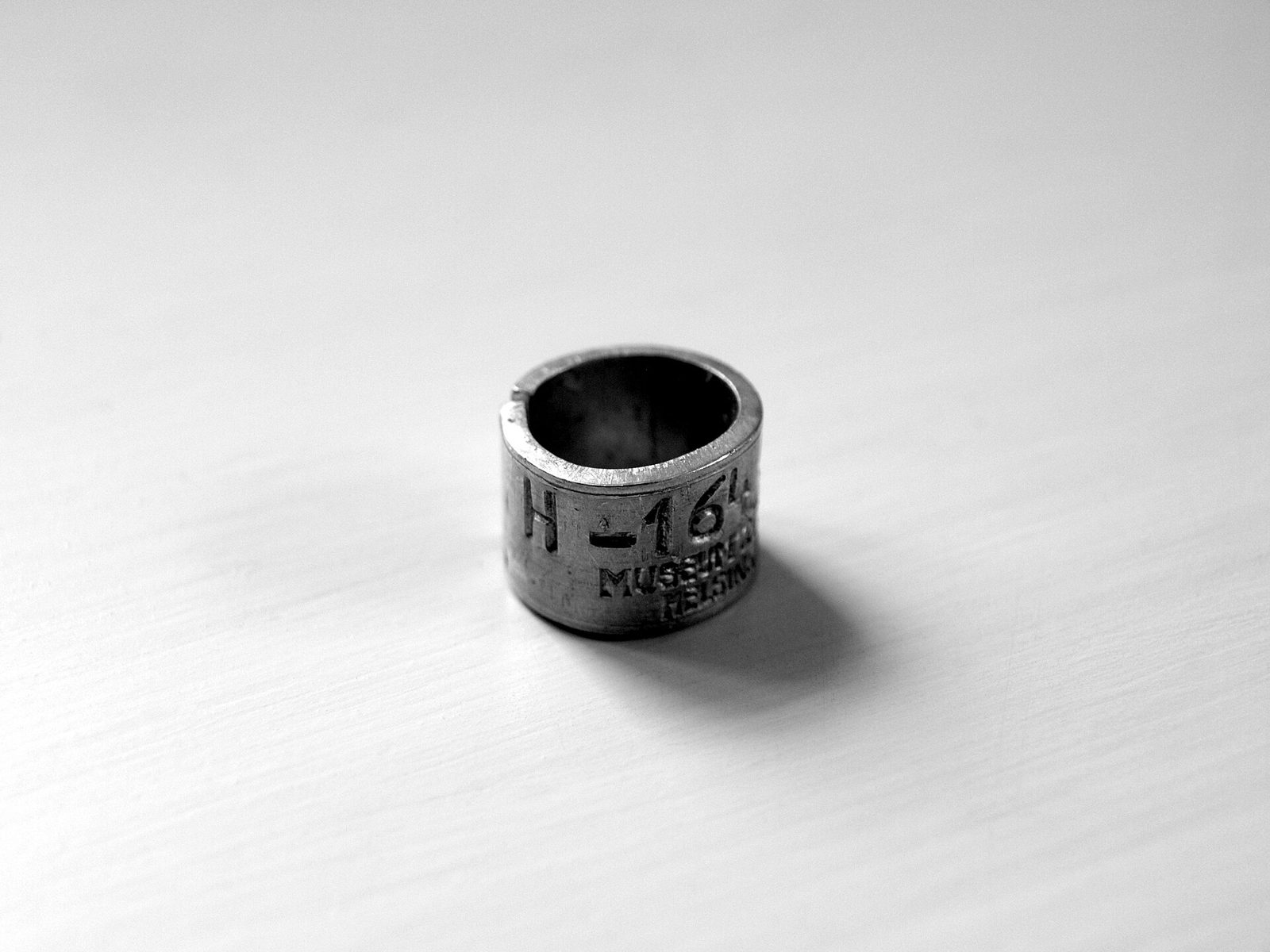
Why markings. A ring and a microchip tie a specific bird to its documents. The hunting law expressly requires the numbers of rings, microchips and other identification marks to be reported when animals from breeding centres are used to train hunting birds. And under the regulation on CITES procedures, the burden of proving lawful possession lies with the owner: a marking that matches the documents is the simplest way to prove it. The saker chicks released into the wild in 2021 were ringed and microchipped beforehand; in 2023 the Center described a DNA laboratory meant to give every falcon a genetic passport — one more means of identification.
How "Bird check" works. On the Bird check page, enter a ring or microchip number — Latin letters, digits and hyphens, 3 to 40 characters. If the bird is in the Center's registry, you will see:
- the registry number, species and the species' CITES Appendix;
- sex, hatch year and breeder;
- status: active, lost, stolen, deceased, released or exported;
- a notice if the number has been replaced — ask the owner for the current one.
Owners' details are not disclosed.
How to read the result.
- The registry is the Center's own record. An entry does not replace the permits required by law (for keeping, import and export, hunting), and the absence of an entry does not by itself prove that a bird is illegal.
- A "lost" or "stolen" status is a reason not to buy the bird and to notify the owner through the Center.
- The species and hatch year in the record should match the bird and its documents.
What to check before taking a falcon.
- Does the seller have documents for the bird, and do the ring and chip numbers match them?
- The law allows the Red Book saker, shaheen and peregrine to be kept only in special breeding centres under a permit. A "wild-caught" bird without documents is a warning sign.
- A bird from abroad needs CITES permits.
Real cases show how deals without documents end: in 2021 the sale of eight falcons for UZS 280 million was stopped at a customs post in Syrdarya Region; in 2025 a peregrine kept in a cage was confiscated from a resident of Chinaz District.
Sources: Law on Hunting and Hunting Management, note to Annex 1 — lex.uz · Regulation on CITES permit procedures, para. 14 — lex.uz · Law on the Protection and Use of Wildlife, Art. 43 — lex.uz · Gazeta.uz, 24 May 2021 · Gazeta.uz, 3 March 2023 · Yuz.uz, 15 Oct 2021 · National Committee on Ecology, 23 Sep 2025